
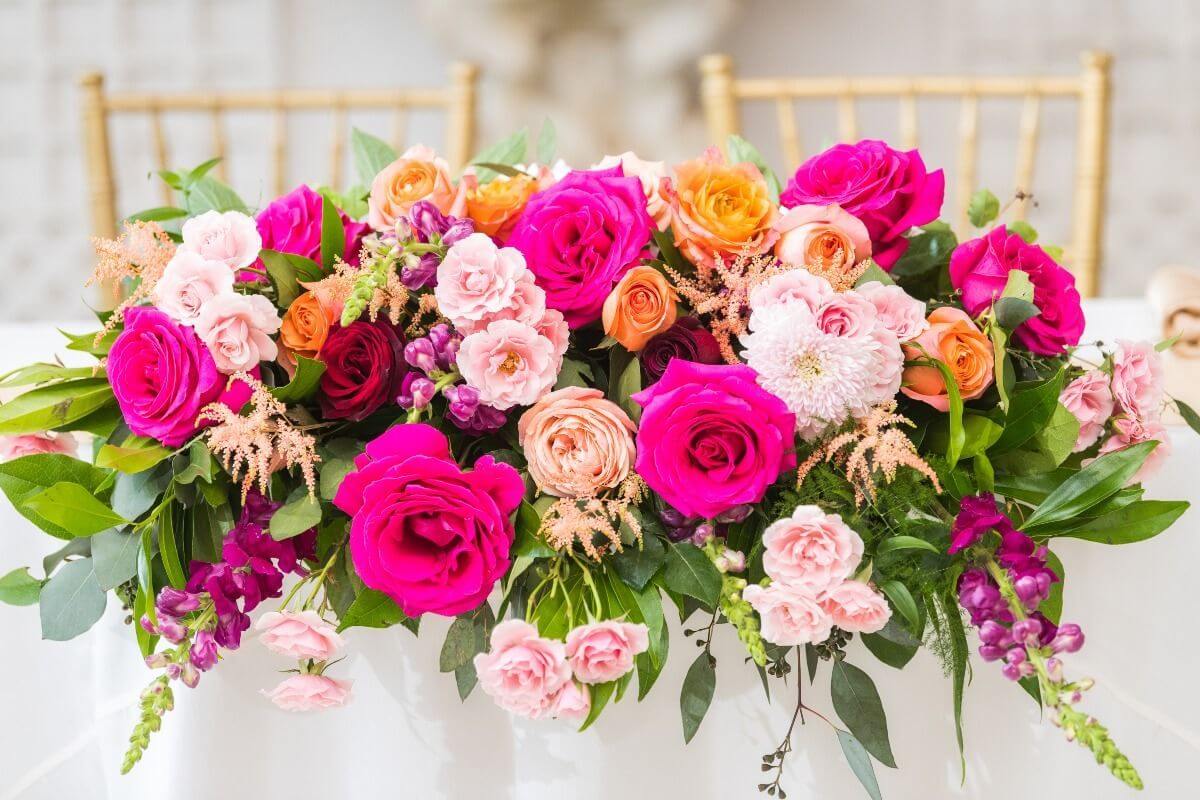
The Meaning of Funeral Flowers: Choosing the Right Blooms
The Meaning of Funeral Flowers: Choosing the Right Blooms to Tell Their Story
Flowers have served as a silent language for centuries, conveying emotions when words feel inadequate. In the context of a farewell, the meaning of funeral flowers goes far beyond mere decoration; they act as a final tribute, reflecting the personality, values, and legacy of the deceased.
When you are choosing the right blooms to tell their story, you are participating in a long-standing Australian tradition of floral storytelling. Whether you are opting for the stoic beauty of a native Banksia or the classic grace of a white lily, each petal carries a specific sentiment. This guide will help you navigate the symbolism of funeral flora to ensure your tribute is both respectful and deeply personal.
Why Floral Symbolism Matters in Bereavement
Floral arrangements at a funeral serve three primary purposes: they provide visual comfort to the grieving, honor the spirit of the departed, and symbolise the cycle of life. In Australia, our unique landscape has shaped a specific floral vocabulary that blends traditional European symbolism with rugged, local botanicals.
Understanding these meanings ensures that your gesture aligns with the family’s wishes and the life being celebrated. A mismatch in symbolism—such as sending bright, celebratory yellow roses to a highly somber, traditional service—can occasionally be misunderstood, making thoughtful selection essential.
See more: Flower Delivery Sydney for Birthdays, Weddings & Corporate Events: A Local Guide
Core Meanings of Popular Funeral Flowers
To achieve “Position Zero” in search results, it is vital to understand the specific definitions assigned to common blooms. Below is a breakdown of the most requested funeral flowers and their traditional meanings.
Lilies: The Standard of Peace
The lily is perhaps the most iconic funeral flower. It signifies that the soul of the departed has returned to a peaceful state of innocence.
- White Stargazer Lilies: Symbolise purity and sympathy.
- Peace Lilies: Represent rebirth and the restoration of the soul.
Roses: A Spectrum of Emotion
Roses are versatile, with each color offering a different nuance of grief and love.
- Red Roses: Deep, enduring love and respect.
- White Roses: Humility, innocence, and youthfulness (often used for younger individuals).
- Pink Roses: Grace, gentility, and appreciation.
- Yellow Roses: Strong ties of friendship and “mateship.”
Carnations: Long-Lasting Tributes
Carnations are favored for their resilience and fragrance.
- Red Carnations: Admiring a life well-lived.
- Pink Carnations: Remembrance (Christian tradition suggests they represent a mother’s eternal love).
- White Carnations: Pure love and faithfulness.
Australian Natives: Strength and Resilience
In Australia, native flora like Proteas, Banksias, and Wattle are increasingly popular. They represent a deep connection to the land and a “rugged” strength of character.
Comparison Table: Flower Meanings at a Glance
| Flower Type | Primary Meaning | Best Suited For |
| Lily | Restored Innocence | Traditional, formal services |
| Red Rose | Eternal Love | Spouses and close family |
| Gladioli | Strength of Character | Memorializing a strong leader |
| Chrysanthemum | Truth and Honour | General sympathy (White) |
| Orchid | “I will always love you” | Modern, elegant tributes |
| Golden Wattle | Remembrance & Australia | Patriotic or nature-loving individuals |
How to Choose the Right Blooms for Their Story
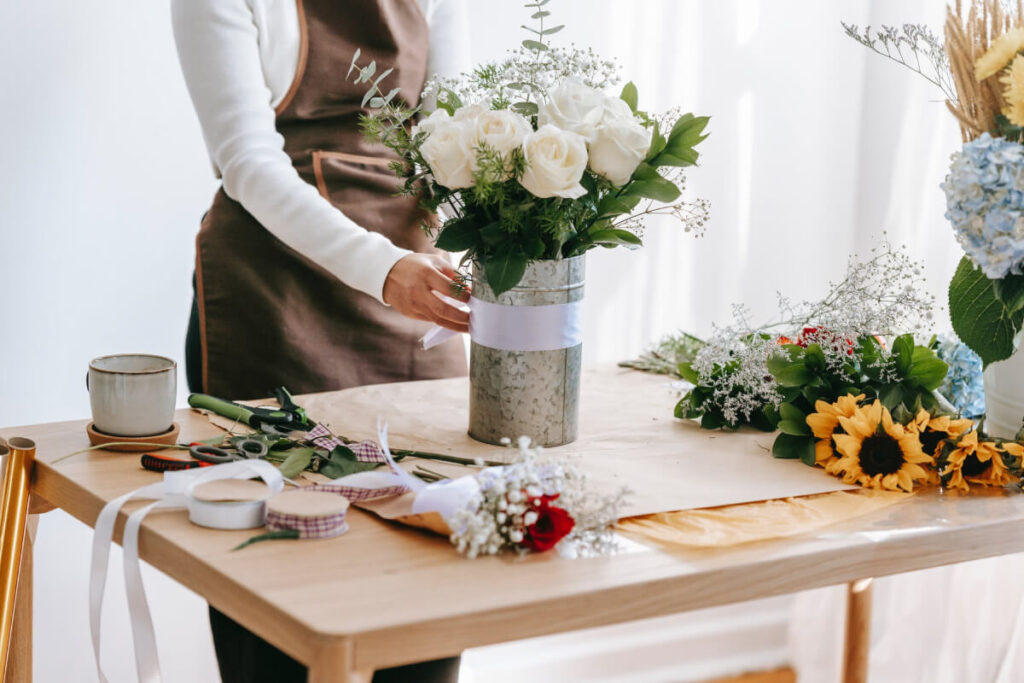
Selecting flowers is a creative process of “floral curation.” Follow this framework to ensure the arrangement resonates with the person’s life story.
1. Identify the Personality Type
Was the deceased traditional and elegant, or vibrant and unconventional?
- The Traditionalist: Stick to white lilies, roses, and baby’s breath.
- The Adventurer: Opt for bold Australian natives and wildflowers.
- The Gardener: Include “cottage” flowers like hydrangeas or lavender.
2. Consider the Colour Palette
Colors evoke immediate psychological responses.
- Pastels: Evoke softness, serenity, and peace.
- Bright Oranges/Yellows: Celebrate a joyful, energetic life.
- Deep Purples/Blues: Represent dignity, royalty, and mystery.
3. Reflect on the Relationship
Your choice should reflect your proximity to the deceased.
- Immediate Family: Large casket sprays or “tributes” in the shape of hearts or crosses.
- Close Friends: Wreaths or standing sprays that symbolize the “circle of life.”
- Colleagues/Acquaintances: Small-to-medium bouquets or potted plants sent to the family home.
Real-World Use Cases in Australia
The “Anzac” Tribute
For a veteran or a person with a strong sense of service, a wreath featuring Red Poppies and Rosemary is the gold standard. Rosemary is for “remembrance,” and the poppy symbolizes the sacrifice made in the line of duty.
The “Bushman’s” Farewell
For someone who loved the Australian outback, an arrangement featuring Eucalyptus leaves, Banksias, and Waratahs tells a story of a life spent in nature. These hardy blooms also last longer in the Australian heat, making them practical for outdoor services.
Best Practices for Sending Funeral Flowers
- Check the Obituary: Look for phrases like “In lieu of flowers, donations may be made to…” If this is present, respect the family’s wishes.
- Timing is Key: Flowers for the service should arrive at least an hour before it begins. Flowers for the home can be sent at any time during the mourning period.
- Card Etiquette: Keep the message brief. “With deepest sympathy,” “In loving memory,” or “Rest in peace” are timeless choices.
Common Mistakes to Avoid
- Ignoring Cultural Customs: In some cultures (e.g., some Asian traditions), white is the color of mourning, while in others, red is strictly forbidden. Always research the specific cultural background of the family.
- Choosing Overly Fragrant Flowers for Small Rooms: Highly scented flowers like some lilies can be overwhelming in enclosed chapels.
- Sending Large Arrangements to the Home: A grieving family may not have the space or vases to handle massive bouquets. A “tribute” box or a potted plant is often more manageable.
FAQ: Frequently Asked Questions about Funeral Flowers
What do red carnations mean at a funeral?
Red carnations symbolise deep admiration and affection. They are often chosen to represent a life that was lived with passion and inspired others.
Is it okay to send colored flowers to a funeral?
Yes. While white is traditional for “purity,” colored flowers are used to reflect the personality of the deceased. Bright colors are often used in “Celebration of Life” services.
Which flower represents a mother’s love?
Pink carnations are widely regarded as the symbol of a mother’s undying love and are a common choice for matriarchs.
Should I send flowers to the funeral home or the family’s house?
Flowers for the funeral service (sprays, wreaths) should go to the funeral home. Personal bouquets or “sympathy flowers” are best sent to the family’s residence.
What is the best flower for a male funeral?
Many people opt for “architectural” flowers like Gladioli (strength) or Australian natives (resilience) for men, often in deeper tones like burgundy or forest green.
Conclusion: A Final Gesture of Love
Understanding the meaning of funeral flowers allows you to move beyond aesthetics and offer a tribute that truly resonates. By choosing the right blooms to tell their story, you provide a visual anchor for memories and a source of comfort for those left behind. Whether you choose the traditional lily or a hardy Australian native, your gesture serves as a beautiful, final chapter in a loved one’s legacy.
Internal Linking Suggestions:
- Anchor Text: “Guide to Sympathy Card Messages”
- Anchor Text: “Understanding Australian Funeral Traditions”
- Anchor Text: “How to Plan a Celebration of Life Service”
External Reference Suggestions:
- Australian Institute of Horticulture (for plant identification and symbolism)
- The Australian Funeral Directors Association (AFDA) (for etiquette and formal standards)